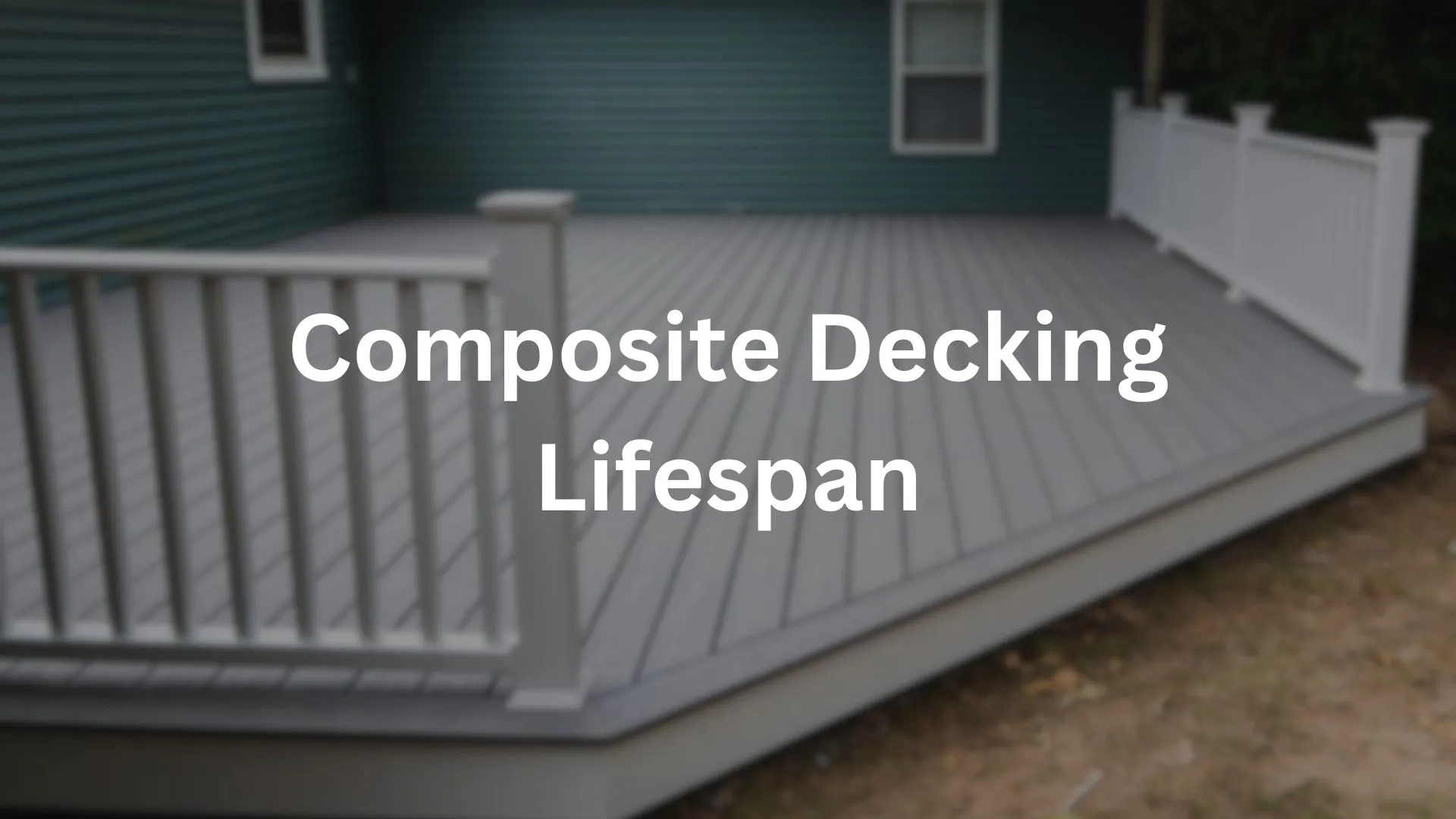
Composite decking typically lasts somewhere between 10 and 30 years, and good quality boards that are well installed and looked after often reach the upper end of that range. Cheaper boards, poor installation or a neglected, damp and shaded deck can wear out much sooner. The lifespan is not a single number, because it depends on the quality of the board, how the deck is built and how it is cared for.
This guide explains what moves the lifespan up or down, how warranties really work, why composite boards fade, why mould appears and what simple maintenance keeps a deck looking good for longer. At Fife Premier Handyman Services, we work on decking and carpentry projects across Fife, so the advice here reflects what we see when composite decks are installed and lived with.
If you’d like a new deck built properly, find out more about our decking installers in Fife.
The Short Answer
- Typical lifespan: roughly 10 to 30 years, with quality boards often lasting 25 years or more
- Warranties commonly run from around 10 to 25 years, though the cover is usually narrower than people expect
- Fading is normal, mostly in the first months, and then it settles
- Mould and mildew can grow on any decking, including composite, when dirt and damp build up
- Maintenance is light but not zero. Regular sweeping and washing make a big difference
- The frame matters. A deck is only as long lasting as the structure underneath it
- Always read the warranty conditions, because poor installation or neglect can void cover
Why There Is No Single Lifespan
Two composite decks installed on the same day can age very differently. Quality, installation and care all pull the number in different directions.
| Scenario | Likely lifespan |
| Premium boards, well installed, regularly cleaned | Around 25 to 30 years or more |
| Mid range boards, well installed, reasonable care | Around 15 to 25 years |
| Budget boards, average installation, little upkeep | Around 10 to 15 years |
| Any boards, poor ventilation or heavy shade, no cleaning | Can fall well short of the above |
These are rough, general ranges to help you plan. They are not guarantees, and real life varies with the product and the conditions.
What Affects How Long Composite Decking Lasts
Board Quality and Construction
Not all composite decking is the same. Better products use denser material and a tougher protective outer layer, often called a cap or shell, that guards the core against moisture, staining and wear. Boards with a good cap tend to resist fading, staining and mould better, and they usually come with longer warranties. Very cheap boards often skimp on the protective layer, which is a common reason for early problems.
Installation Quality
Installation has a huge influence on lifespan. Common problems include:
- Poor ventilation underneath, which traps moisture and heat
- Incorrect gaps between boards, which can cause buckling or movement as temperatures change
- The wrong fixings, or fixings that rust and stain the boards
- A weak or badly built frame, which can sag or fail before the boards do
- Poor drainage, which lets water pool on or beneath the deck
Following the manufacturer’s installation instructions exactly is one of the best ways to protect both the deck and the warranty.
The Frame Underneath
Many people focus on the boards and forget the structure. If the frame is made from timber that is not well protected, the joists can rot long before the composite boards are worn out. Protective tape on the top of joists, durable timber or a metal frame, and good airflow all help the whole deck last longer.
Climate and Position
Constant damp, heavy shade, freeze-thaw cycles and strong sun all affect decking. A shaded, sheltered deck in a damp area collects moisture, leaves and algae, and needs more frequent cleaning. A deck in full sun may fade a little faster and run warm. Coastal sites expose fixings to salt, so good quality stainless fixings matter more.
Foot Traffic and Use
A quiet family deck wears slowly. A deck with heavy traffic, regular furniture dragging, barbecues and pets will show wear sooner. Sharp objects and hot items can mark the surface.
Cleaning and Care
Dirt, leaves and organic debris are food for mould and algae. A deck that is swept and washed regularly will stay in better condition for longer than one that is left to build up a layer of grime.
Understanding Composite Decking Warranties
Warranties are a useful guide to a manufacturer’s confidence in a product, but they need careful reading.
Typical Warranty Lengths
Many composite decking products come with warranties of around 10 to 25 years, and a few offer longer. A longer warranty usually signals a better quality board, but it does not tell you how the deck will actually look in year 20.
Different Types of Cover
Most warranties are split into parts, and each part has its own length and rules.
| Type of cover | What it usually covers | Common limits |
| Structural warranty | Rot, decay or structural failure of the board | Often the longest period |
| Fade and stain warranty | Excess fading or permanent staining beyond a set level | Usually shorter, with limits on how much change is allowed |
| Surface or finish warranty | Peeling or flaking of the protective layer | May not cover normal wear |
Prorated Cover
Some warranties are prorated, which means the manufacturer’s contribution decreases over time. In the later years you might receive only a small share of the cost of a replacement board.
Common Exclusions
Warranties often exclude problems caused by:
- Incorrect installation, such as wrong gaps, poor ventilation or the wrong fixings
- Lack of cleaning or maintenance
- Mould and mildew, which many manufacturers treat as a cleaning issue rather than a defect
- Scratches, scuffs and impact damage
- Heat and burn marks from barbecues or hot items
- Staining from spills, rust, leaves or chemicals
- Normal weathering and the initial fade
- Commercial use, unless the product is rated for it
How to Protect Your Warranty
- Keep the receipt and the product details, including batch numbers
- Keep a record of the installation, with photos if possible
- Follow the manufacturer’s installation and cleaning guidance
- Report problems early, because delays can affect claims
- Check who the warranty is with. It may be the manufacturer, not the shop or installer
A warranty is only as good as the conditions attached to it, so spend ten minutes reading them before you buy.
Why Composite Decking Fades
All outdoor materials change over time, and composite is no exception.
The Initial Fade
New composite boards often lighten or shift slightly in colour during the first few weeks and months of exposure. This is usually called weathering. It happens as surface components settle and the finish adjusts to sunlight and rain. After this initial period, the colour usually stabilises and changes much more slowly.
Long Term Fading
Over many years, ultraviolet light slowly fades most pigments. Better products include UV stabilisers and protective caps that slow this process. Darker colours can show fading and heat more noticeably than lighter ones, and boards in full sun fade faster than those in shade.
Uneven Fading
You may notice some boards fade slightly differently. Furniture, rugs and planters that cover the surface can leave patches that look different when moved. Boards from different batches can also vary slightly. Rotating furniture occasionally and avoiding long term coverage helps keep the fade even.
What Is Normal and What Is Not
A modest, even softening of colour is normal and rarely a concern. Rapid, patchy fading, large colour changes or a chalky surface in the first few years may point to a quality issue, and it is worth checking your warranty.
Reducing Fading
- Choose a product with a quality UV resistant cap
- Pick a colour suited to your site, since very dark boards in full sun can show changes more
- Let the deck weather before judging the colour, and avoid replacing boards too early
- Clean regularly, because dirt can make a deck look more faded than it really is
- Avoid dragging heavy furniture, which can scuff and dull the surface
Why Mould and Algae Appear on Composite Decking
A common surprise is finding green or black spots on a deck that was sold as low maintenance. Composite does not rot like timber, but mould and algae can still grow on its surface.
What Causes It
Mould and algae need moisture, warmth and something to feed on. On a deck, that food is often leaves, pollen, dirt, bird droppings and other organic debris sitting on the surface, rather than the board itself. Shaded, damp, poorly ventilated areas are the most affected, and a layer of grime holds water against the boards.
Is It a Defect?
Usually, no. Many manufacturers state that mould and mildew on the surface are a cleaning matter and are not covered by warranty. A board that is rotting from within is a different issue, but surface growth is normally treated as part of owning any outdoor deck.
How to Prevent It
- Sweep regularly, especially in autumn when leaves fall
- Keep gaps between boards clear, so water can drain through
- Improve airflow beneath the deck, if you can, and make sure nothing blocks the ventilation gap
- Trim back overhanging branches that drop leaves and keep the deck shaded
- Avoid leaving wet items, such as plant pots and mats, on the surface
- Clean shaded areas more often, because they stay damp longer
How to Remove It
- Brush off loose debris first with a soft brush
- Wash with warm water and a mild cleaner, such as a gentle soap or a cleaner recommended for composite decking
- Scrub along the grain direction with a soft brush, not a hard wire brush
- Rinse thoroughly with clean water
- Check the manufacturer’s advice before using bleach or stronger chemicals, because some products can damage or discolour the surface
For stubborn growth, a dedicated composite deck cleaner often works better than home remedies, but always test on a small hidden area first.
Simple Maintenance That Extends Lifespan
Composite decking needs far less upkeep than timber, but a few habits make a real difference.
Regular Habits
- Sweep weekly or fortnightly to remove leaves and dirt
- Wipe up spills quickly, particularly oil, wine and food
- Move furniture occasionally so the deck weathers evenly
- Use furniture pads to avoid scratches
- Check for loose fixings or boards and fix them early
Seasonal Care
| Time of year | Suggested care |
| Spring | Deep clean after winter, check fixings and frame, remove moss |
| Summer | Brush off pollen and dust, keep an eye on spills and barbecue marks |
| Autumn | Clear leaves often, clean gaps, trim back overhanging branches |
| Winter | Sweep away debris, clear snow gently with a plastic shovel, avoid harsh chemicals |
Pressure Washing
A pressure washer can be useful, but it can also damage the surface if used badly. If you use one, keep the pressure low, use a wide fan nozzle, stay a good distance from the boards and work along the board direction. Follow the manufacturer’s guidance, because some warn against high pressure.
Signs Your Composite Deck Is Wearing Out
Knowing what to look for helps you act before small problems grow.
- Persistent, patchy or severe fading beyond normal weathering
- The surface layer wearing, peeling or flaking, exposing the core
- Swelling, warping or bowing of boards
- Soft spots or cracking, especially at board ends
- Fixings working loose or rusting through
- Movement or bounce that suggests the frame is failing
- Persistent staining that cleaning no longer removes
- Rot or damage to the joists beneath, which can show as sagging or uneven boards
Often the frame, not the boards, is the first part to fail, so it is worth looking beneath the deck as well as at the surface.
Getting Advice in Fife
If you are thinking about composite decking, or wondering whether your existing deck still has life in it, a quick look in person can answer many questions. Fife Premier Handyman Services works on decking and carpentry projects across Fife, and we can advise on composite boards, frame design and installation. You can see examples of our work in the portfolio, browse our full range of services or contact us for a free, no obligation quote, so you can compare options with real figures.
Frequently Asked Questions
How long does composite decking last?
Typically somewhere between 10 and 30 years. Good quality boards that are well installed and cared for often last 25 years or more, while cheaper boards, poor installation or neglect can bring that down considerably.
Does composite decking fade?
Yes. Most boards soften or lighten in colour during the first few weeks and months, then change much more slowly. Better products with UV resistant caps fade less, and darker colours in full sun tend to show it more.
Does composite decking get mould?
It can. Mould and algae grow on dirt and organic debris sitting on the surface, especially in shaded, damp areas. Regular sweeping and washing prevent most problems, and growth can usually be cleaned off.
Is mould covered by a composite decking warranty?
Often not. Many manufacturers treat surface mould and mildew as a cleaning issue rather than a defect, so check the warranty wording carefully before you rely on it.
How long are composite decking warranties?
Many run from around 10 to 25 years, and a few offer longer. They are often split into structural, fade and stain, and surface cover, each with different limits, and some are prorated.
What maintenance does composite decking need?
Sweeping regularly, washing with a mild cleaner, clearing leaves and gaps, and checking fixings and the frame. It does not need staining or oiling, but it is not completely maintenance free.
Can I pressure wash composite decking?
Sometimes, but with care. Use low pressure, a wide fan nozzle and work along the boards, and follow the manufacturer’s advice, because high pressure can damage the surface.
Why does the frame matter for composite decking lifespan?
The frame carries the whole deck. If it rots or fails, the boards will sag or need to be lifted, even if they are in good condition. A well protected, durable frame is essential for a long lasting deck.
Final Thoughts
Composite decking can last decades, typically around 10 to 30 years, but the result depends on the quality of the boards, the quality of the installation and the care the deck receives. Read the warranty conditions closely, expect some initial fading, keep the surface clean to prevent mould, and do not forget the frame beneath. Choose good boards, build the deck properly and give it a little regular attention, and it should reward you with many years of low fuss outdoor living.