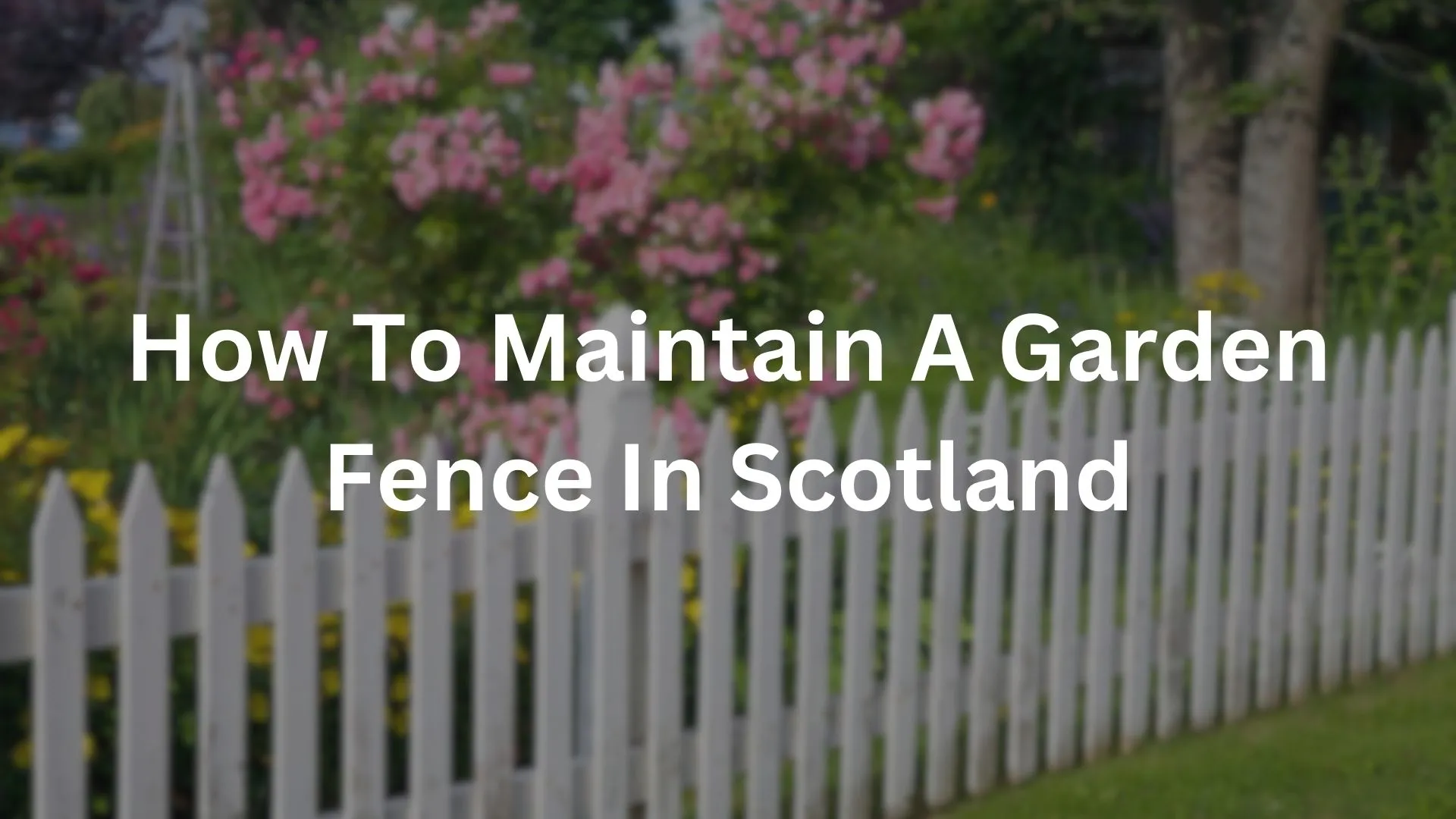
To maintain a garden fence in Scotland, clean it regularly to remove moss and algae, treat the timber with a suitable preservative or stain every year or two, and fix small problems such as loose boards and rusty fixings before they get worse. Scottish weather is hard on timber, with frequent rain, long damp spells, frost and wind, so a little regular care makes a big difference to how long a fence lasts.
This guide explains how to clean, treat and make basic repairs to a timber fence, with a short note on composite and metal fences. It also covers the best time of year to do the work and when a fence is beyond repair. At Fife Premier Handyman Services, we repair and replace fences across Fife, so the advice here reflects what we see on real fences in real Scottish gardens.
If your fence needs replacing or repairing, take a look at our garden fencing in Fife.
Why Scottish Weather Is Hard on Fences
Understanding what the weather does helps you decide what to do and when.
- Rain and persistent damp keep timber wet for long periods, which encourages algae, moss and rot
- Frost and freeze-thaw cycles can split wet timber as the water inside freezes and expands
- Wind puts pressure on panels and posts, loosening fixings over time
- Shade and low winter light mean fences on the north side of a garden or beside buildings stay wet for longer
- Coastal air, common in Fife, can speed up rust on nails, screws and metal fittings
A fence that is cleaned, treated and checked regularly can stand up to all of this far better than one that is left alone.
Tools and Materials You Will Need
Gather everything before you start, so you can take advantage of a dry spell.
For cleaning:
- Stiff bristle brush or soft broom
- Bucket and warm water
- Fence cleaner or an algae and moss remover
- Garden hose
- Dust sheets to protect plants and paving
For treating:
- Fence preservative, stain or paint, as chosen
- Brush, roller or sprayer
- Old clothes, gloves and eye protection
- Masking tape and dust sheets for nearby surfaces
- End grain preservative for cut ends
For repairs:
- Hammer and screwdriver or drill
- Galvanised or stainless steel screws and nails
- Spare boards, rails or panels
- Spirit level
- Saw and sandpaper
- Wood filler or exterior grade repair compound
How to Clean a Timber Fence
Cleaning comes first. A fence that is covered in dirt, moss and algae will not take treatment properly, and the green growth holds moisture against the timber.
Step by Step
- Clear the area. Cut back plants, move garden furniture and cover nearby plants or paving with sheets
- Brush off loose debris. Use a stiff brush to remove cobwebs, leaves and loose dirt
- Apply a cleaner. Use a fence cleaner or algae and moss remover, following the label, and leave it for the time stated
- Scrub the surface. Work along the grain with a stiff brush, paying attention to the lower sections and shaded areas
- Rinse thoroughly. Use a hose to wash off the cleaner and dirt
- Let it dry fully. This can take several days in damp weather, and treating timber before it is dry traps moisture
Pressure Washing
A pressure washer can speed things up, but it can also damage timber by raising the grain, gouging the surface or forcing water into joints. If you use one, keep the pressure low, use a wide fan nozzle, hold it a good distance from the fence and work along the grain. Many people find a brush and cleaner is gentler and just as effective.
Protecting Plants
Cleaners and algae removers can harm plants. Cover nearby planting with sheets, wet the plants beforehand and rinse thoroughly afterwards. Check that the product is safe for use around garden plants.
How Often to Clean
Once a year is a good minimum. In damp, shaded or sheltered gardens, a second clean in spring or autumn helps keep moss and algae under control.
How to Treat a Timber Fence
Treating a fence protects the timber from moisture, helps it resist rot and keeps it looking good. The type of treatment you choose affects how it looks and how often you need to repeat it.
Choosing a Treatment
| Treatment | What it does | Typical reapplication |
| Water based preservative or stain | Easy to apply, dries quickly, many colours | Often every 1 to 3 years |
| Oil based preservative | Soaks into the timber, nourishes it and gives a natural look | Often every 1 to 2 years |
| Fence paint | Gives a solid colour and a protective layer | Often every 3 to 5 years, but can peel if not prepared well |
| Clear preservative | Protects without changing colour much | Often every 1 to 2 years |
Always check the product label for coverage, drying times and advice on how to apply it, because products differ.
Treating New or Pressure Treated Timber
New fences are often pressure treated, which gives some protection, but most manufacturers recommend letting the timber dry out for a few weeks or months before applying a surface treatment. Check the advice for your specific fence and product.
Best Time of Year to Treat
In Scotland, the best window is usually late spring to early autumn, when there are drier, warmer spells. Aim for these conditions:
- Dry weather for at least a couple of days before and after treatment
- Temperatures above about 5 degrees Celsius, or whatever the product label advises
- Dry timber, rather than damp or wet
- Avoid direct, hot sun, which can make treatment dry too fast and apply unevenly
If you rush the job in damp conditions, the treatment will not soak in properly and will not last.
Step by Step
- Make sure the fence is clean and fully dry
- Do any repairs first, so you are treating the final surface
- Protect nearby areas with sheets and masking tape
- Stir the product well, according to the instructions
- Apply evenly with a brush, roller or sprayer, working with the grain
- Pay attention to the bottom, edges, joints and end grain, where water gets in
- Apply a second coat if the label recommends it, once the first has dried
- Clean your tools and dispose of leftovers responsibly
A brush gets the product into the timber better than a sprayer, though sprayers are quicker on large areas. If you use a sprayer, protect everything nearby, because the mist travels.
Both Sides of a Shared Fence
If the fence is shared, check with your neighbour before treating their side, and check who is responsible for the boundary. Some people agree to treat both sides at once, which saves effort and keeps the fence looking consistent.
Basic Repairs You Can Do Yourself
Small repairs done early prevent bigger problems. Here are common issues and how to deal with them.
| Problem | What to do |
| Loose or popped boards | Refix with galvanised or stainless steel screws |
| Rusty or failed nails | Replace with exterior grade screws |
| Cracked or broken board | Remove and replace with a matching board |
| Panel loose in its slot | Refix with clips, brackets or screws |
| Leaning panel | Check the post, tighten fixings and use a level |
| Splits and small cracks | Fill with exterior wood filler, sand and treat |
| Rotten gravel board | Replace with a treated or concrete board |
| Wobbly rail | Replace the fixings or fit a metal bracket |
Replacing a Damaged Board
- Remove the damaged board, taking care not to damage neighbouring ones
- Use it as a template to cut a replacement to size
- Treat the new board on all sides, including the cut ends, before fitting
- Fix it with screws, following the existing pattern
- Treat it again once fitted if needed, so it blends in with the rest
Fixing a Loose Panel
If a panel is loose, check the fixings and the posts first. Replace any rusty nails or screws with galvanised or stainless steel versions, and use brackets or clips where the panel sits in the post. If the post is wobbling, the problem is more serious and may need a bigger repair.
Dealing With Rot
Test suspect areas by pushing a screwdriver into the timber. If it goes in easily, the timber is soft and rotten. Small areas of rot, such as the end of a board or a gravel board, can be cut out and replaced. Widespread rot in posts or rails is a sign that the fence is nearing the end of its life.
Taking Care at the Base
The bottom of a fence takes the worst of the damp. A few simple measures help:
- Keep soil, mulch and plants away from the base of the fence, so air can circulate
- Fit or replace gravel boards, which keep the main boards off the ground
- Treat the lower sections carefully, applying extra coats where water collects
- Clear leaves and debris that build up along the bottom
A Simple Yearly Care Routine
Fitting maintenance into the year makes it feel less of a chore.
| Time of year | Suggested tasks |
| Spring | Inspect for winter damage, make repairs, give a deep clean |
| Summer | Treat the fence in a dry spell, touch up cut ends |
| Autumn | Clear leaves and debris from the base, check fixings before winter |
| Winter | Look for storm damage and loose panels, but avoid treating in cold, wet weather |
Looking After Composite and Metal Fences
Timber needs the most care, but other types still need some attention.
Composite Fences
- Sweep and wash with warm water and a mild soap a couple of times a year
- Avoid abrasive cleaners, wire brushes and harsh chemicals, which can scratch or discolour the surface
- Check posts and fixings for looseness
- Follow the manufacturer’s guidance, because it affects the warranty
Metal Fences
- Wash with warm soapy water to remove dirt and salt
- Check the coating for chips, and touch up with suitable paint to stop rust forming
- Treat any rust early, by removing it, applying a rust inhibitor and repainting
- Oil hinges and latches on gates to keep them working smoothly
When Repair Is Not Enough
Maintenance and basic repair can extend a fence’s life by many years, but it will not save a fence that is failing. It is usually time to consider replacement when:
- Several posts are rotten or loose, since posts hold the whole fence up
- Many boards or panels are soft or crumbling
- The fence leans badly or moves in the wind
- Repairs are being needed more and more often
- The cost of continual repairs approaches the cost of a new fence
If you are not sure, getting a second opinion saves wasted effort. A quick look by a tradesperson can tell you whether a fence is worth repairing or whether the money is better spent on a replacement.
Advice in Fife
If your fence is looking tired, or you are not sure whether it is worth repairing, Fife Premier Handyman Services can help. We repair and replace fences across Fife, and you can see examples of our work in the portfolio or browse our full range of services. We can assess whether a fence is worth repairing or whether replacement is the better value, so contact us for a free, no obligation quote and know your options before you spend anything.
Frequently Asked Questions
How often should I treat a garden fence in Scotland?
Most timber fences benefit from treatment every one to two years, though some products last longer. Damp, shaded or exposed fences may need treatment more often. Check the product label and look at the condition of the timber.
When is the best time to treat a fence in Scotland?
Usually late spring to early autumn, when there are drier, warmer spells. Choose a period with dry weather for a couple of days before and after, and make sure the timber is clean and dry.
Can I treat a fence in the rain or when it is damp?
It is not a good idea. Treatment will not soak in properly, and moisture trapped under the finish can cause peeling and rot. Wait for dry weather and let the timber dry fully.
How do I get rid of green algae and moss on my fence?
Brush off loose growth, apply an algae and moss remover or fence cleaner, scrub along the grain with a stiff brush and rinse thoroughly. Let the fence dry before you treat it.
Can I pressure wash a wooden fence?
You can, but use low pressure, a wide fan nozzle and work along the grain. High pressure can damage the surface and force water into the timber. Many people prefer a brush and cleaner.
Do pressure treated fences need maintenance?
Yes. Pressure treatment helps, but it does not make a fence maintenance free. Cleaning and surface treatment still extend its life, particularly in Scotland’s damp conditions.
What nails and screws should I use for fence repairs?
Use galvanised or stainless steel fixings suited to outdoor use. Plain steel rusts and stains timber, and it fails sooner in damp, coastal conditions.
Do I need to talk to my neighbour before treating the fence?
If it is a shared fence or you want to treat their side, yes. Check who is responsible for the boundary, and agree what you plan to do. It avoids disputes and helps keep the finish consistent.
Final Thoughts
A garden fence in Scotland faces a lot, but a simple routine of cleaning, treating and basic repairs keeps it going for many years. Clean away moss and algae, treat the timber in dry weather, fix small problems before they spread and keep the base of the fence clear and dry. Use proper exterior fixings, treat every cut end and be realistic about when a fence has reached the end of its life. A few hours of care each year is far cheaper than replacing a fence early.